Parador - parapromotions- spain - quality accommodation

PARADORES - CANARY ISLANDS - SPAIN.

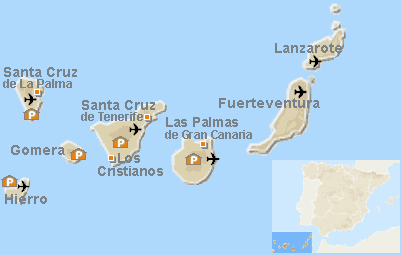
Click on a symbol on the map or, the links below, to see the full page for each Parador

Canary islands map - accommodation - Parador - Spain
Parador de La PalmaParador Canadas del TeideParador de La GomeraParador de El Hierro
Click here for information about the Canary Islands

El Hierro
La Palma
La Gomera
Canadas del Teide

PARADOR ACCOMMODATION IN THE CANARY ISLANDS

Click on the name of the Parador for more information and, to make a booking
OVERVIEW IMAGE LOCATION BEDS
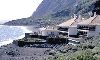
Parador de El Hierro
This Parador is located right next to the sea opposite the Roque de Bonanza.
This magnificent setting is where the sea and the volcanic mountains meet.
Parador de El Hierro - Canary Islands - Spain
El Hierro
94
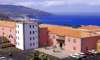
Parador de La Palma
4 star Parador built in typical Canary Isles style with gardens filled with exotic plants.
Parador de Las Palmas - Canary Islands - Spain
La Palma
156
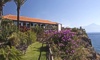
Parador de La Gomera
Luxury 4 star Pardor hotel situated in a Canary Island Manor House.
The views are to the Island of Tenerife and Mount Teide.
Parador de La Gomera - Canary Islands - Spain
La Gomera
112
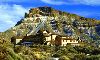
Parador de Canadas del Teide
A unique opportunity to spend the night in the crater of an extinct volcano. It is the only
building in the Teide Nature Reserve which rises 2,200 metres (7,000 feet) above sea level.
Parador de Canadas del Teide - Canary Islands - Spain
Teide
76
 
Known to the ancient Greeks as The Fortunate Islands, the Canary Islands are indeed blessed: exuberantly green and temperate all year-round. There are seven islands in the archipelago: Gran Canaria, Tenerife, Lanzarote, Fuerteventura, La Palma, La Gomera, and El Hierro. All were similarly formed by volcanic upheavals, creating dramatic mountains and craters and spectacular scenery.

Vegetation is lush and varied. The indigenous dragon trees, some of them thousands of years old with spindly upturned leaves, is an especially exotic sight. The fertile land yields impressive crops of continental and subtropical fruits and vegetables. Magnificent fine sand beaches -some formed from striking black volcanic ash ring each island, and water sports range from swimming and boating to surfing and deep sea fishing.

Although the Canary Islands are located off the northwest African coast, just west of the Sahara Desert, the islands are cooled by ocean currents and by the trade winds, creating perpetual springtime. The beaches and clear ocean waters are splendid any time of year, making the Canary Islands a popular winter getaway.

Before the fifteenth century the Canary Islands were inhabited by an isolated Stone Age people called Los Guanches, who left behind fascinating archeological remains. Columbus stopped in the Canary Islands on all four of his voyages to the New World as did many other Spanish explorers. 

Because of the influx of tourists to the Canary Islands, multinational restaurants are everywhere, but traditional cooking of the islands is worth seeking out. It is an interesting cross of Spanish and Latin American influences that incorporates subtropical fruits and vegetables into traditional Spanish dishes and features pungent dipping sauces called mojos.

Attractions
Each of the Canary islands has its own personality. The most visited islands, Gran Canaria and Tenerife, have well developed tourist facilities along the coasts, and visitors can take spectacular day trips to the islands' volcanic hearts. Growing in popularity is dramatic Lanzarote, covered with volcanic boulders and ash -still so hot beneath the surface that a well-known restaurant grills over natural heat emanating from the earth. In this volcanic soil, vineyards grow and produce Malvasia wine, praised by Shakespeare centuries ago, and best known as a sweet wine, although today it is also an excellent dry wine. 

La Gomera, a lovely little island densely forested and blanketed with banana trees, is just 20 kilometers across. Fuerteventura, the driest of the islands, is popular with visitors for snorkeling and for submarine and deep water fishing. La Palma is the greenest of the Canaries, and at its center is the world's largest crater, an awesome sight indeed. El Hierro, the most isolated of the islands, is an oasis of tranquillity. Communications between the islands by sea and air are excellent, making island hopping a wonderful option.

Text courtesy of the Tourist Office of Spain


Parapromotions- copyright